Welcome to CIRA Scope — news and insights offering a closer look for you to observe and zoom in on the people, partnerships, and progress happening in immigrant and refugee communities through CIRA’s lens.

New partnership expands social services access for Omaha's senior community

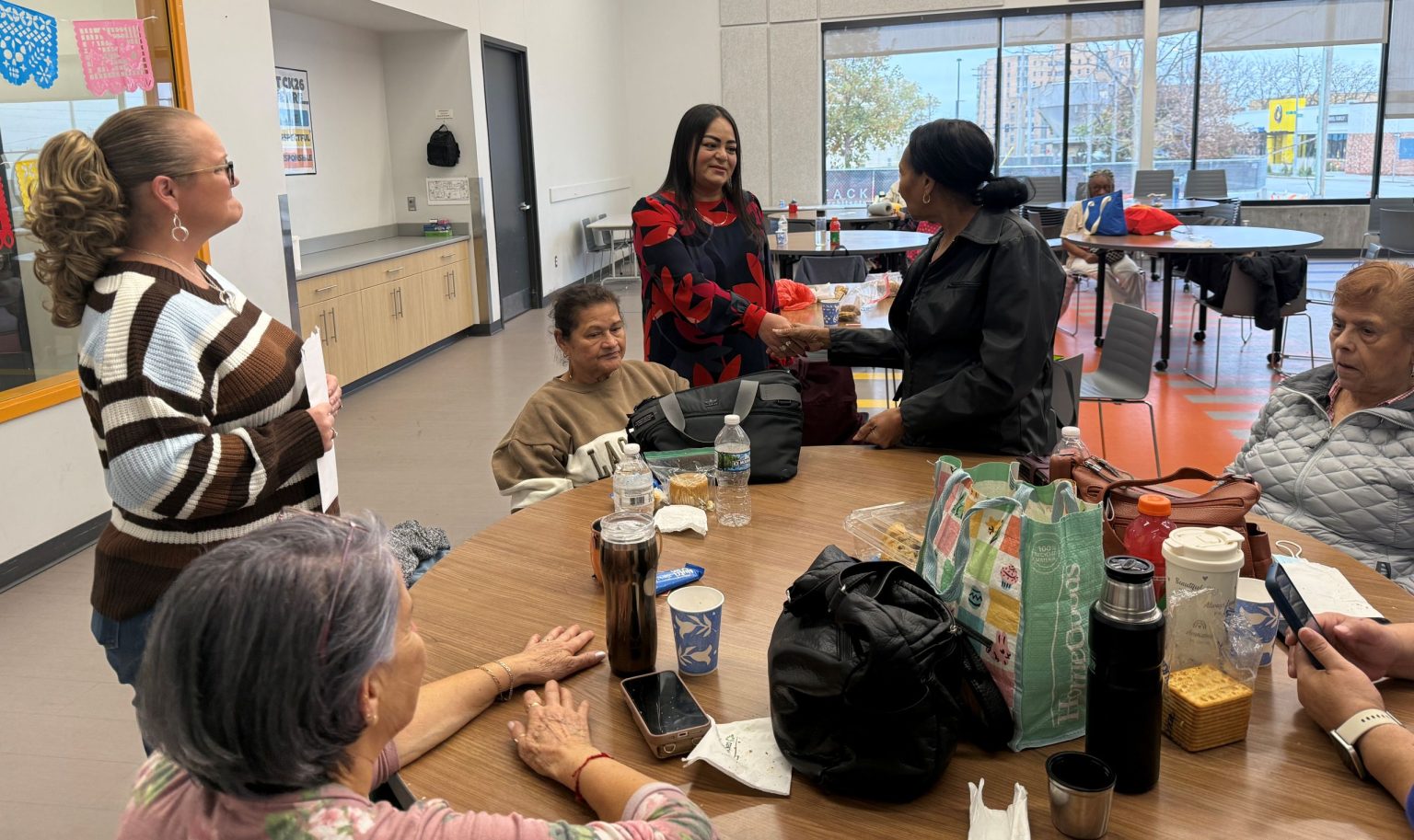
Veronica Amaya meets with some Intercultural Senior Center clients on Thursday morning, Nov. 5, 2026. She gave them a brief summary of her new role and shared she is excited to work with them.
Nov. 16, 2026

Omaha, Neb. – Social Work Intern & Legal Assistant Veronica Amaya packs her bag on a Thursday morning to head over to a different office. Although Amaya works for the Center for Immigrant & Refugee Advancement (CIRA), she is now representing a new partnership between her agency and the Intercultural Senior Center (ISC) in Omaha. 

The two organizations determined their clients often overlap—and why not utilize two strengths to serve the community rather than just one. 

“This partnership really grew out of a shared understanding that our seniors face barriers that not one organization can handle by themselves,” ISC CEO Jesse Espinosa said. 

Those barriers, or challenges, most often include navigating healthcare systems, housing, and food access, according to ISC. 

“I’m excited for the sigh of relief that the seniors will feel, and that they’ll feel seen,” said ISC Receptionist & General Support Samantha Vargas. “I think sometimes they think that their problems or issues are overlooked, but we’re here to help them, and that’s awesome.” 

The partnership involves Amaya working out of ISC every Thursday morning to meet with seniors in a place they already trust and are familiar with.  

“Me siento apoyado,” ISC client Maria said. “Tengo que suplicar a la gente que me ayude a rellenar mi papeleo. Ahora tengo a alguien que me ayuda.” 

[I feel supported,” ISC client Maria said. “I have to beg people to help me fill out my paperwork. Now I have someone to help me.”] 

ISC has been in Omaha for 17 years and has extensive experience in providing educational classes, health support, and language/literacy courses, among other programming. 

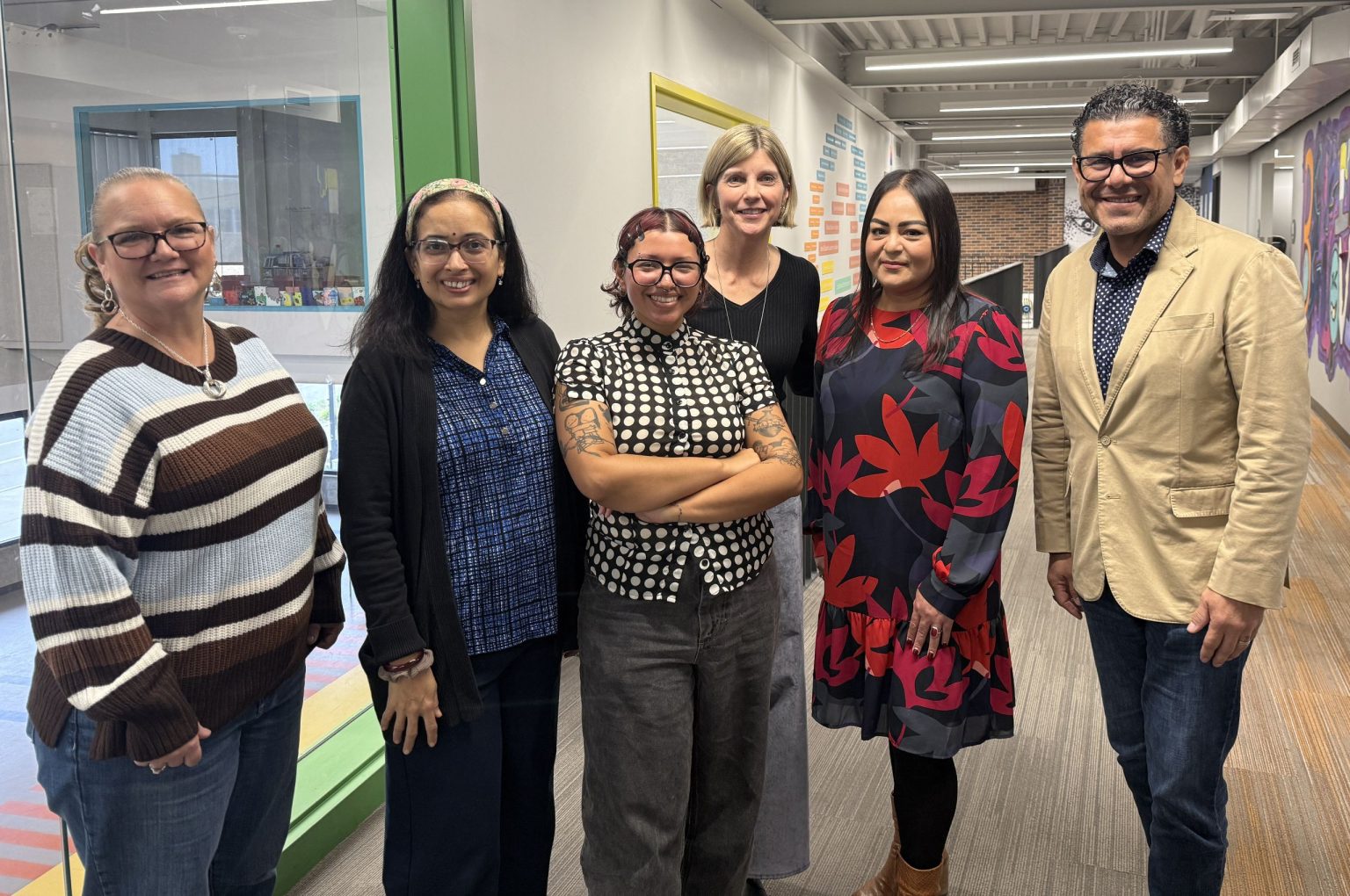
(From left to right) ISC's Tracy Reineke, Samjhana Dhakal, Samantha Vargas, Carolyn Schaffer, CIRA's Veronica Amaya, and ISC's Jesse Espinosa smile for a photo in the Completely Kids building where ISC is currently running programming while waiting for flood repairs.

“Our goal is to expand their trusted network of service providers, to show them that there are other trusted providers in the city that can help navigate their specific situation, and we of course want to offer access and transportation. And if we can remove just one more barrier for a senior, for an immigrant, for a refugee in this country, then mission accomplished,” Espinosa said.

Amaya will receive referrals from ISC’s Mental Health & Interpreter Services Supervisor Tracy Reineke. She expects most may involve Medicaid and/or Medicare renewals, applying for benefits, and community connections. 

“When two nonprofits unite for a common purpose, amazing things can happen.  Our seniors deserve love, dignity, compassion, and support.  What a blessing to see organizations working together to make a difference,” Reineke said. 

H.R.1, known as the ‘One Big Beautiful Bill’ Act, took effect Oct. 1, 2026. This barred access to Medicaid for certain lawfully present immigrants in the country. It also barred access to Medicare for lawfully present immigrants like those with Temporary Protected Status, refugees, asylum seekers, survivors of domestic violence, trafficking victims, and people with work visas from access, even though they pay into Medicare.  

Medicare, like Medicaid, is a federal healthcare program. But rather than focusing on individuals with a certain income, it provides insurance to individuals over the age of 65, as well as some younger individuals with certain disabilities. 

Although Amaya cannot make changes to federal policy through her presence at ISC, she can work through other options with clients and help determine next steps forward. 

“This collaboration is really important, not just for the organizations, but for the community that we’re serving, because a lot of them intersect,” Amaya said. 

Many of those impacted by the cuts are people who intersect in needing support from both ISC and CIRA. 

The Intercultural Senior Center has clients from around the world, as does CIRA. With that comes great cultural diversity, but also language barriers. Amaya speaks English and Spanish, and ISC will provide interpretation for any clients who need them. 

While she is providing services to ISC, Amaya said she can bring what she learns about ISC operations back to CIRA to refer clients to services ISC offers. 

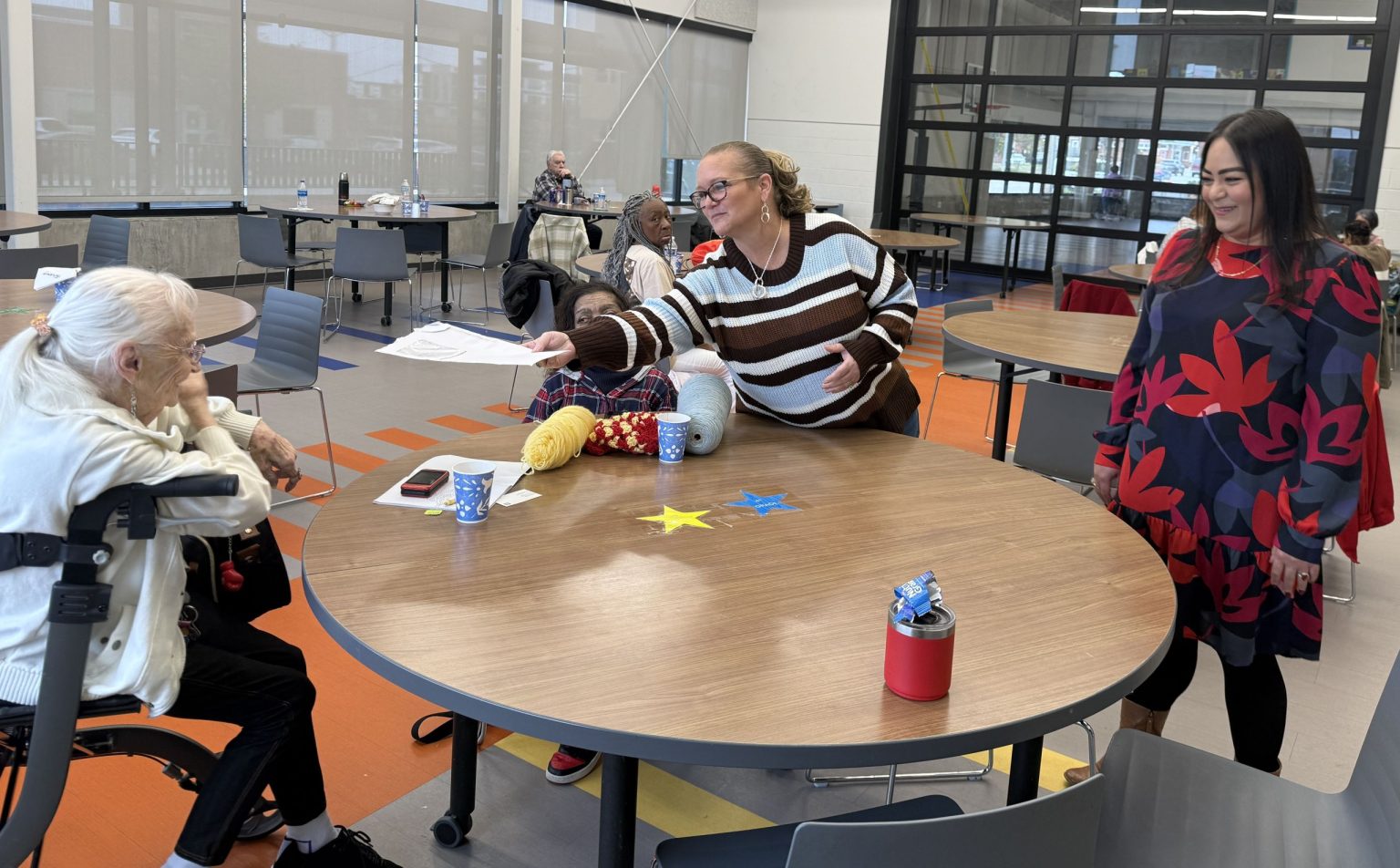
Veronica Amaya and Tracy Reineke meet with ISC clients. One client hands her mail to Reineke to help her sort through how to handle it.

Reineke listed an example of their programming that is somewhat more unique to ISC than to CIRA: online safety in an increasingly digitized world with advancing technology. Financial scams tend to target senior citizens who may not be as familiar with technology as younger generations.  

This can now serve as a back-pocket resource for Amaya to recommend to CIRA clients.  

Carolyn Schaeffer, ISC’s Human Resources & Employee Engagement Manager, said it is an honor to work with Amaya and others at CIRA. 

“I think this is just one example of the beginning of our new move, our new future, where we’re identifying what and who we can get involved with as an organization,” she said. “I just keep thinking of the words ‘work smarter, not harder,’ and truly living by what we say.”

In 2022, Immigrant Legal Center and Refugee Empowerment Center merged, and the combined nonprofit organization is now CIRA, the Center for Immigrant & Refugee Advancement. Our diverse team of experts provides exceptional, compassionate legal representation, refugee services, and social work services. We take on the most complex immigration cases, resettle refugees from around the world, and ensure all clients have access to resources they need to live. Operating in 6 different offices from Council Bluffs to Scottsbluff, our team of more than 100 full-time employees helps communities welcome immigrants and refugees as they build their lives here. We assist with all forms of family and humanitarian-based immigration, and we never turn any family away due to inability to pay.

To empower immigrants and refugees to live confidently through high-quality legal representation, resettlement, and social work and to create welcoming communities through education and advocacy.

Newsletter sign-up

We are a 501c3 nonprofit. Our EIN number is 74-3195841. The information contained in this website is provided for informational purposes only and should not be construed as legal advice on any matter.

Copyright © 2025 CIRA. All Rights Reserved.